Author: Admin
WHY FACTOR IN WOMEN IN A JUST TRANSITION FRAMEWORK?
By Arpita Victor, MA Sustainable Development Practice student at TERI SAS, based on her field visits during an internship at TERI 


0 Comments
Early in 2022 four women were among five people who died when a series of mines collapsed in Dhanbad,Jharkhand. They were illegally mining coal in the abandoned mines of Bharat Coking Coal and Eastern Coalfields Limited (Times of India, 2022). Jharkhand’s Jharia coalfields also see the involvement of many women in illegal coal mining under coal mafias that run in the abandoned mines. It is hard to imagine people choosing to work in conditions of bondage because they had a choice, especially women and young children (Thadani, 2022). Whether they are drawn to the pay or whether they are coerced into such conditions of labour- it should be a matter of concern for administrators and public authorities that numerous people, among them women and children work illegally in abandoned mines as bonded labour under local mafia. Even though the ban on women working in underground mines was lifted in 2019 (ANI, 2019), the official numbers do not reflect a change in the proportion of women mine workers (CIL, 2015; CIL, 2020). This means that the large numbers of women directly involved in mining activities are not accounted for in these numbers and thus the nature of
their engagement is informal and/or illegal. This nature of engagement implies a lack of social security offered alongside employment which is bound to have an adverse impact on their health and economic outcomes given the physical conditions of work are far from ideal.
Evidence from the ground in Odisha
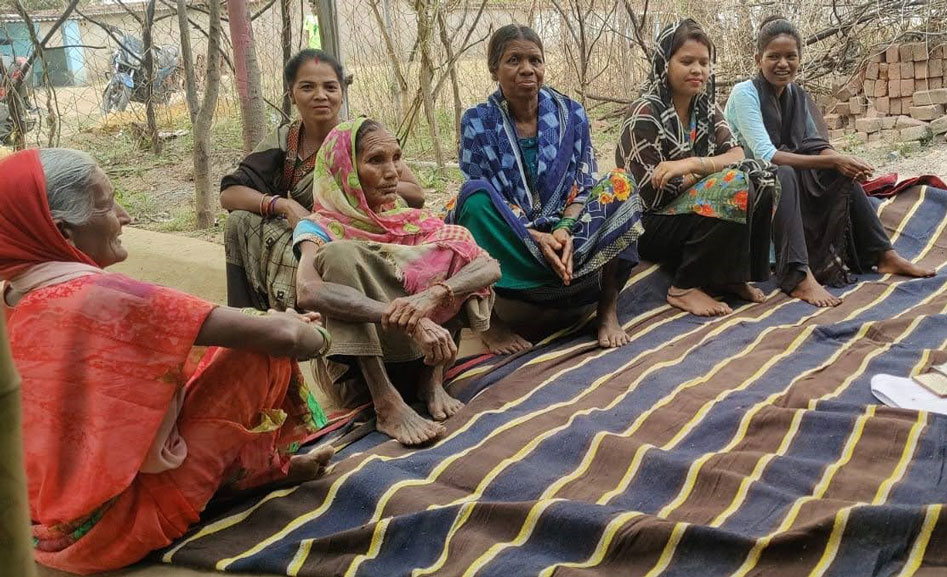
While women being directly involved in coal related work is more common in Jharkhand, the same is not the case in other coal producing states, especially Odisha. This does not mean that women do not still get differentially impacted by coal mining. Studies in Odisha’s coal mining belt have shown that women were accustomed to maintaining kitchen gardens to supplement their families’ diets with vegetables and other such produce of choice. This would give them a way to supplement the household’s needs in kind. Having lost their land for kitchen farms in the process of displacement, these women lost their means of agency in the household, and are now dependent on their husband’s income which gives him greater say in what choices are to be made for food in the home. With the potential closure of coal mines it is most likely that the sole breadwinners of the homes will lose their income, making the women’s position domestically even more precarious, given how it is their responsibility for ensuring the nutrition needs of the household is met. Being a displaced female in the vicinity of coal mines is a significant risk factor for unfavourable life outcomes. Sundargarh in Odisha also has a high number of unmarried mothers and an increased vulnerability to such exploitation is linked to women displaced by coal mining activities in addition to having lower levels of education/literacy among local women in the area. Alcoholism is also rampant among the local male population forming a grave indicator of domestic violence and abuse. Women are also affected by coal mining in terms of livelihood not only through the loss of land based livelihoods after displacement, but also when families that do retain their land are affected by the by-products of mining activities since agriculture is more
or less the exclusive domain of women. Coal dust settling on paddy crops (which are the only crop cultivated and done so solely by women) affects the quality of the grain and prevents its sale in the market. The runoff from mines pollutes surface water sources and tanks that the locals use for bathing and washing purposes since it is common to not have running water in homes. This again impacts the fields which women routinely tend to by contaminating water with high mineral and ash content (CIRTD & CPR, 2020). Local women in Hemgir district suspect the bad water quality to be responsible for infections and putting pregnant women and unborn foetuses at risk of complications. Such risks take a higher toll on the locals than it should because they need to go all the way to Sundargarh city for proper health checkups. The groundwater levels have also fallen low due to mining activities and this again involves women because it is their responsibility to ensure there is enough water in the house for consumption (CIRTD & CPR, 2020).
Building a gender equitable future
Thus, it is imperative that any plan to move away from coal must factor in the already precarious situation of women associated with or affected by coal mining, since coal mine closure is more likely than not to worsen existing local social scenarios. While Coal India Limited plans to scale domestic coal production up by 2030 to ensure India’s self-sufficiency, this plan is going to be accompanied by the phasing out of many loss making mines (Bhushan, 2022). As 75 percent of the CIL’s profits come from 35 large mines (Bhushan, 2022), the PSU is likely to phase out the others or auction them to private bidders. To give an idea of the severity of the situation for coal labour, 40 percent of labour is engaged in the remaining mines that are loss making (ibid.) and thus most likely to cease operations putting entire communities out of employment. The threat to coal dependent communities and by extension, women and children is imminent and needs to be addressed on a priority basis. This will involve measures like a prioritisation of healthcare schemes in mining areas in addition to a strengthening of the Pradhan Mantri Khanij Kalyan Yojana through a robust use of District Mineral Funds. Field experience in Hemgir showed that rural women were eager to learn and skill themselves. They had SHGs but they lacked the knowledge to leveraging the platform to initiate entrepreneurial activities. Intervention before it is too late in terms of families getting displaced again or before coal mines close is crucial to enable local women to gain a say in their means of income and agency in the house and community.
References
- ANI. (2019, February 4). Now, women allowed to work in underground mines. Business Standard. Retrieved September 12, 2022, from https://www.businessstandard.com/article/news-ani/now-women-allowedto-work-in-underground-mines-119020400714_1.html
- Bhushan, C. (2022, April 28). Coal consumption in India: We are already late on fair green transition. The Financial Express. Retrieved September 12, 2022, from https://www.financialexpress.com/opinion/thereal-mainstream-we-are-already-late-on-fair-greentransition/2505806/
- Chadha, R., & Kapoor, I. (2022, January 10). District Mineral Foundation Funds: Evaluating the Performance. Centre for Social and Economic Progress. Retrieved September 12, 2022, from https://csep.org/wp-content/uploads/2022/01/District-MineralFoundation-Funds-Evaluating-the-Performance.pdf
- CIL. (2015). ANNUAL REPORT. Ministry of Coal. Retrieved September 12, 2022, from https://coal.gov.in/sites/default/files/2019-11/chap14AnnualReport1415en.pdf
- CIL. (2020). EMPOWERMENT OF WOMEN. Ministry of Coal. Retrieved September 12, 2022, from https://coal.gov.in/sites/default/files/2020-09/Chapter14-en.pdf
- CIRTD & CPR. (2020). Closing the enforcement gap: Groundtruthing of environmental violations in Sundargarh, Odisha. Centre for Policy Research. Retrieved September 12, 2022, from https://cprindia.org/wp-content/uploads/2021/12/SundargarhReport-for-Web-Version-Final-Revised.pdf
- Dhaatri. (2016). Home. OHCHR. Retrieved September 12, 2022, from https://www.google.com/l?sa=t&rct=j&q=&esrc=s&source=web&cd=&cad=rja&uact=8&ved=2ahUKEwjlnvysgvz5AhWTF7cAHeirDgwQF noECAMQAw&url=https%3A%2F%2Fwww.ohchr.org%2Fsites%2Fdefault%2Ffiles%2FDocuments%2FHRBodies%2FCRC%2FDiscussions%2F2016%2FDhaatri.docx&usg=AOv
- Nayak, S. (2020, May 16). Dispossessed Women’s Work : The Case of Talcher Coalfields of Odisha. Economic and Political Weekly |. Retrieved September 12, 2022,from https://www.epw.in/journal/2020/20/reviewwomens-studies/dispossessed-womens-work.html
- Thadani, A. (2022, June 14). In Photos: Mafias, a Ruthless Appetite for Coal and the Bonded Mine Workers of Jharia. The Wire. Retrieved September 12, 2022, from https://thewire.in/labour/in-photosmafias-a-ruthless-appetite-for-coal-and-the-bondedmine-workers-of-jharia
- Times of India. (2022, February 1). Jharkhand: 4 women among 5 coal-pickers dead as 3 abandoned mines collapse during illegal mining | Ranchi News. Times of India. Retrieved September 12, 2022, from https://timesofindia.indiatimes.com/city/ranchi/many-feared-trapped-as-3-abandoned-coal-minescollapse-in-jharkhand-during-illegal-mining/articleshow/89275169.cms
Event Gallery
Local NGO perspective
By Dr Jayanta Mitra, Senior Fellow TERI
0 Comments
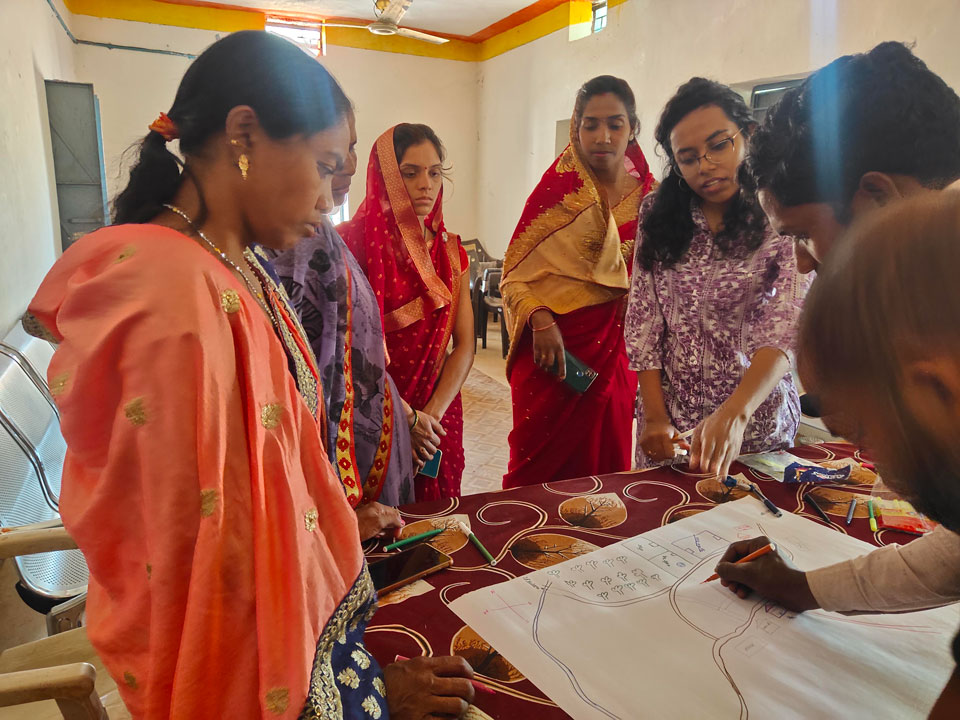
The thought of transition drives one to think of the immediate impact on life and livelihood, local economy, businesses, and the possibilities ahead. Coal phase-out will hit the local people and the labour force hard as they are excessively dependent on coal. Hence, detailed PRA (participatory rural appraisal) and micro-level livelihood planning are essential. A skill centre needs to be established or convert certain industrial facilities into training hubs that local people can access and gain from it. Advocacy with State and industry is crucial.
Agriculture and agri-allied activities, adoption of high-value agricultural practice, organic vegetable hub promotion with market linkage (through a tie-up with NABARD), aggregation centre and end to end solution (seeds to market), etc. would be the proposed action points to minimize potential risks in the wake of coal phase-out. This would address food security challenges and check distressed migration.
Youth entrepreneurship (market assessment, generating micro-enterprise ideas, input supply, value addition, market negotiation) promotion is the key towards promoting a vibrant local economy.
Jharkhand is known for its abundant forest land and forest produce. Technology should be leveraged meaningfully to generate business. For instance, the installation of an oil expeller (could be solar operated) can help market oil from locally available oil seeds and achieve a scale that can engage local poor and tribal communities who are dependent on the forest. Along with this, mobilization of farmers collectives, formation, and strengthening of FPOs, institutional linkages, digital solutions, multi-stakeholder coalition (GO-NGO-CSR-Technical/Research institute) for effective advisory, disease control, market negotiation, etc. Further, existing local or artisanal knowledge and skills need to be mapped and marketed around that may be created for gainful engagement of the local populace.
Systematic documentation of the existing and perceived challenges in the context of coal transition and open multi-stakeholder dialogue on the theme may enable in comprehending the complexity and map opportunities and possible action points.
Event Gallery
Leave a Reply
Old contractors’ diary
By Dr Jayanta Mitra, Senior Fellow TERI
0 Comments
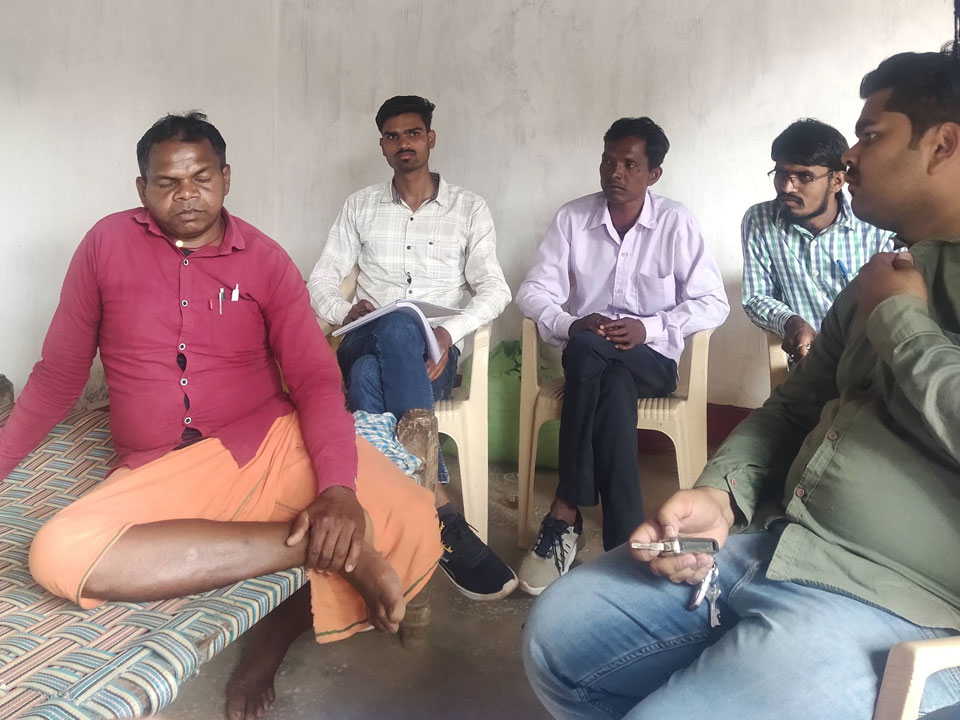
Way back in 1996, FaguChaudhury used to work as a contractor for CCL (Rajrappa Project) and used to engage local youth as labourers primarily for loading coal. He narrated how the local populace was solely dependent on coal only and was the only visible avenue to make quick money as opposed to rain-fed agriculture and return therein from the meager land. Even 3-4 years ago one could see trucks lining up around colliery belts and at least 1500 labor could be seen busy loading coal. This has become an occasional affair and the KantaGhar, once a Today owing to mine closure and or relatively lesser mining and transporting coal to steel industry townships around through rail route reduced opportunities for local labour.
Dhyanesh was a labour contractor before and used to earn 2-4 K per week but in the last 3 years, he stopped doing this job and opted for farming as he owns the land. Earlier 56 mines were operational and except 3 the rest closed down. In the next 5 years, Karma Project mines will also close down. Consequently, the labour force shifted to agricultural occupation, and those who have less/no land, migrated to cities in search of jobs. Overall unemployment increased and its manifestation may be seen with increased incidence of looting on roadways and chain snatching. Sense of insecurity is rising. Hence the revival of the local economy is a necessity and it can be achieved through:
- Dona pattal (saal plate making) and market linkages
- Oil extraction from mahua seeds, karach, kusum (forest produce) and marketing of such products
- Forming collectives for kendupatta collection and bidi making and establishing a supply chain
Md. Hakim Ansari remarked “Labour contracting was a lucrative option earlier”. He used to make good money by the road selling coal loading and make labor payments to the tune of Rs. 1 lakh every month but after 2016 business is down. He opined that due to lack of improved technology the coal production has declined and he was forced to think of an alternative means of livelihood in an environment where people generally hardly think beyond coal and other opportunities appear blocked. He later opted for picking school children and dropping them at school and home and earns about 10,000 a month now. Normally agricultural land is leased out for farming and one gets enough return to meet one’s food security needs.
Questions that emerge: Can there be alternative livelihood choices in the coal belt where mines closure or reduced mining impacting lives? Whether answer lies in inclusive planning?
Event Gallery
Leave a Reply
Few ground-level stories from the TERI team’s field visits are detailed below
By Dr Jayanta Mitra, Senior Fellow TERI
0 Comments
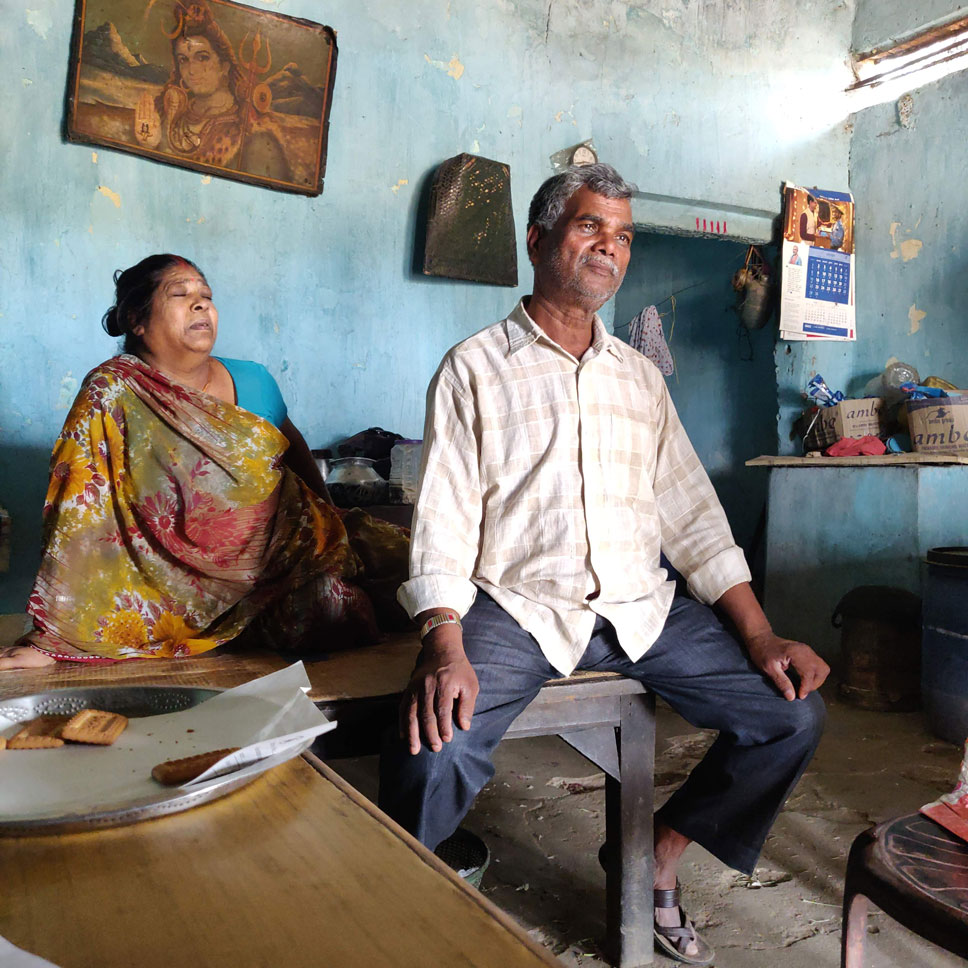
The field visits to Jharkhand and interaction with some stakeholders in the coal value chain throws light on the plight of local people on the ground in the wake of closure or reduced mining, their overall preparedness towards a transition from coal, and the need for the planned closure of coal mining in an inclusive way to ensure the resilience of communities in and around mines. The varied views and anecdotes captured here open up the space for further deliberation and collective planning to adapt to the changing technological, socioeconomic, environmental demands and mitigate future risks.
Old contractors’ diary: Way back in 1996, Fagu Chaudhury used to work as a contractor for CCL (Rajrappa Project) and used to engage local youth as labourers primarily for loading coal. He narrated how the local populace was solely dependent on coal only and was the only visible avenue to make quick money as opposed to rain-fed agriculture and return therein from the meager land. Even 3-4 years ago one could see trucks lining up around colliery belts and at least 1500 labor could be seen busy loading coal. This has become an occasional affair and the KantaGhar, once a Today owing to mine closure and or relatively lesser mining and transporting coal to steel industry townships around through rail route reduced opportunities for local labour.
Event Gallery
Leave a Reply
Development at what cost and for whom?
Dr Jayanta Mitra, Senior Fellow TERI
0 Comments
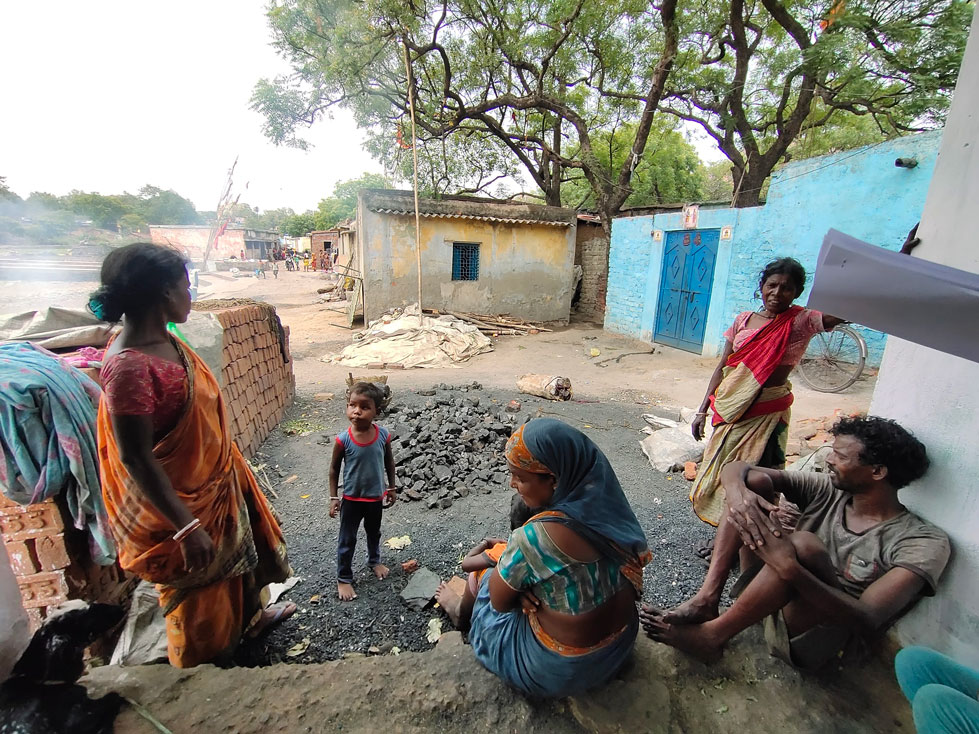
Coal, on one hand, generates power, revenue for the State (Jharkhand) and leads to the creation of ancillary industries and service sector economy, on the other hand, it has also created an informal coal economy and powerful lobbies around that. Pilferage of coal is rampant in local mines and it benefits several segments from the poorest who have no means for livelihood and also other parties who have vested interests and get the larger share in the process, and the same stolen coal is fed into several smaller coal-dependent industries. It is a vicious cycle. The life of those at the bottom of the pyramid seems impacted most as one takes a deeper dive to gain some insights through a chat with Baleshwar (resident of Sutri village), who cycles 200 Kgs of coal through the day and travels miles before he reaches his destination to convert his effort into some wealth creation (!) end of the day. He chose to earn this way a bit early when he was quite young (12 years), years rolled and he is 35+ now. In absence of any other skills or resources, many like Baleswar find it an easy way of earning their livelihood. In the process for many, childhood is lost as they shoulder adult role at a tender age when they are not emotionally or physically mature enough and this load carrying for a long time may cause postural complexities and impact overall growth. They normally start their day as early as 3 am and walk with the cycle carrying a huge load for 30-50 km. And sometimes even more. It was not easy to stop Baleswar as he felt threatened and avoided. The fear of police deters them and somehow, they manage to cover the long-distance, hardly stop to rest and at times they leave the cycle with coal and run away due to the fear of getting caught and the penalty they may have to pay which may be more than what they can earn end of the day.
Baleswar walks like this 20 days a month and on average, covers 30 km. to reach Gola, Ranchi, or Jhalda and sell the sacks of coal (each sack will have 40 Kgs. of coal). Normally they carry about 4-6 sacks of coal to make it 200 kgs. This much coal is procured in Rs. 500 and sold in Rs. 1000. It is worth mentioning here that the raw coal stolen from the mines site is burnt for use before it reaches the market. Some are engaged only in collecting coal from mines and burning in heaps in their backyard. It was evident from such sight of burning coals at the backyard of the poorer households in the nearby villages that men in these families earn their living through collecting coal from mines illegally, passing it to the groups who carry coal to distant locations or themselves carry it in a cycle to sell it at the demand points. Those who carry it to distant locations for selling normally procure from these groups in sacks. An entire inter-dependent chain is created that way and later the same coal is supplied to traders, sweet shops, individual consumers, small ancillary industries that extensively use coal.
Baleswar earns about Rs. 10-12,000 a month. He lacks any education and other skills, landless but pen to learn new skills but he also feels it is a bit late in the day for him. He feels new skill generation for the youth may be useful.
The life of these cycle bearers carrying 200 Kgs. of coal day in and day out makes their life as dark and fragile as coal. It is just a hand-to-mouth existence and a struggle for survival and does not enable them to come out of the chronic poverty cycle. They inhale coal dust, fumes of burning coal, and their face, body, and little clothes that they wear also turn black and their tough battle makes their identity coal-like. It impacts their health severely and in absence of any social security or health coverage, their vulnerability is quite high.
Given this reality, how does one design an inclusive process to humanise the ecosystem and minimise vulnerability?
Does this manifest systemic exclusion of the poor who lack skill, access to land or resources and also do not have any social capital to fall back on or any social protection to restore their dignity or voice?
Event Gallery
Leave a Reply
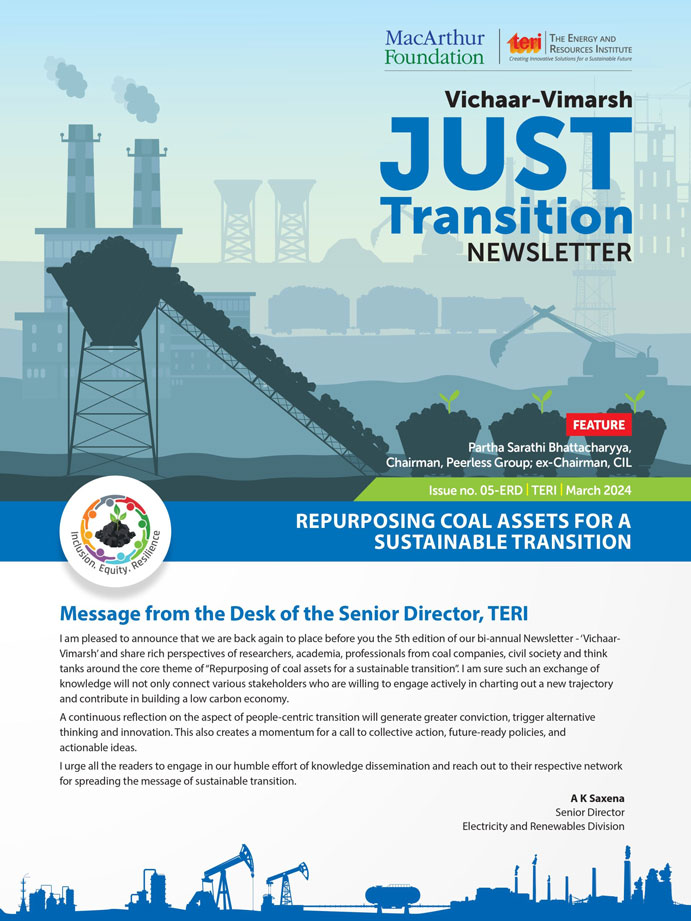
REPURPOSING COAL ASSETS FOR A SUSTAINABLE TRANSITION
0 Comments
I am pleased to announce that we are back again to place before you the 5th edition of our bi-annual Newsletter – ‘Vichaar
Vimarsh’ and share rich perspectives of researchers, academia, professionals from coal companies, civil society and think
tanks around the core theme of “Repurposing of coal assets for a sustainable transition”. I am sure such an exchange of
knowledge will not only connect various stakeholders who are willing to engage actively in charting out a new trajectory
and contribute in building a low carbon economy.
Event Gallery
Just Transition Framework for a Sustainable Future in India’s Coal Mining Regions (WSDS 2024)
0 Comments
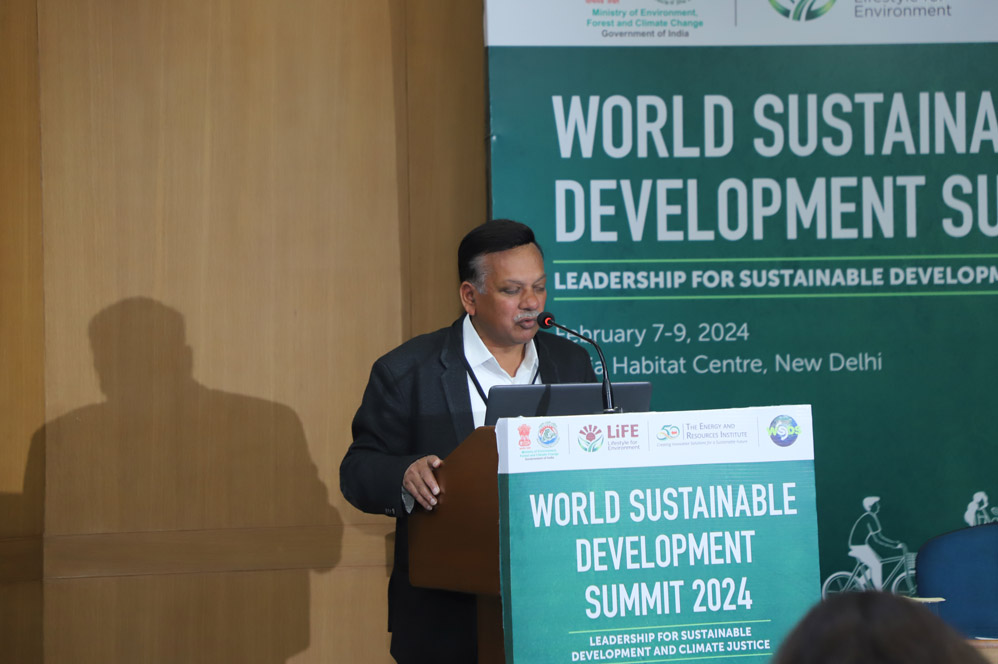
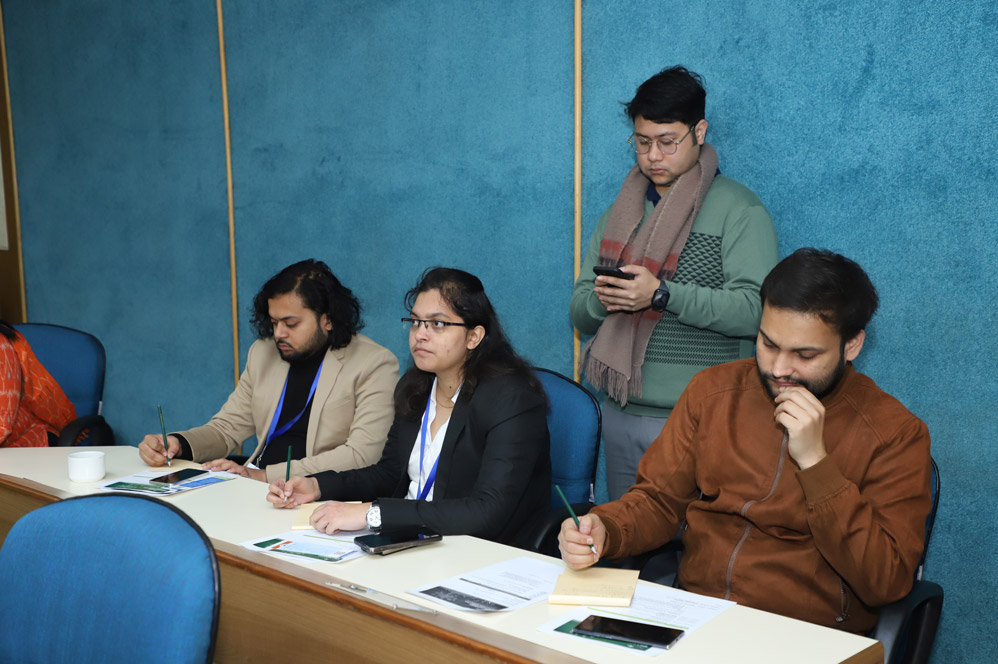
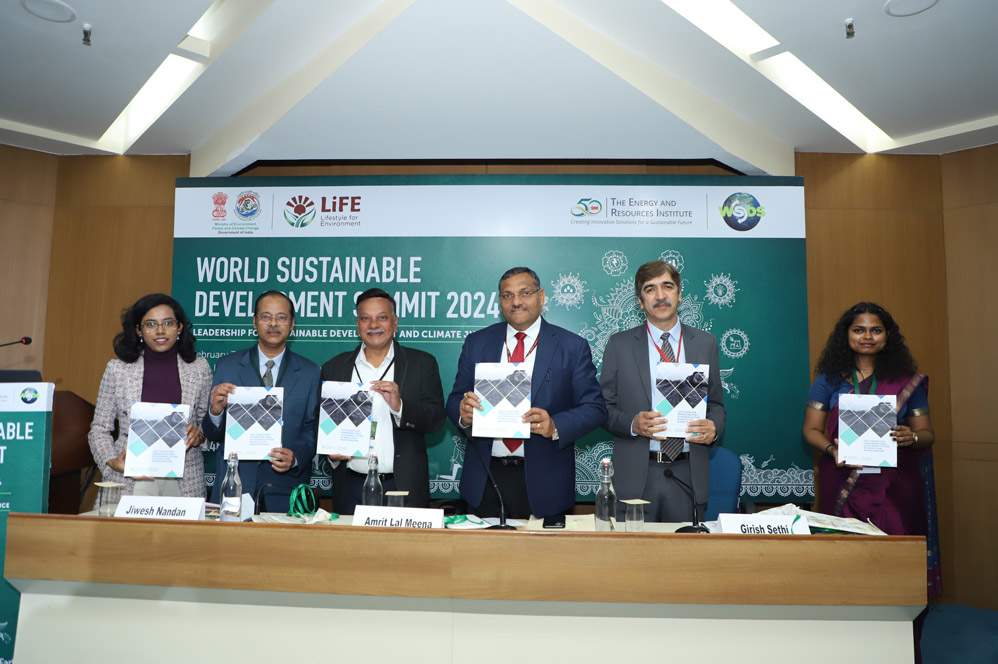
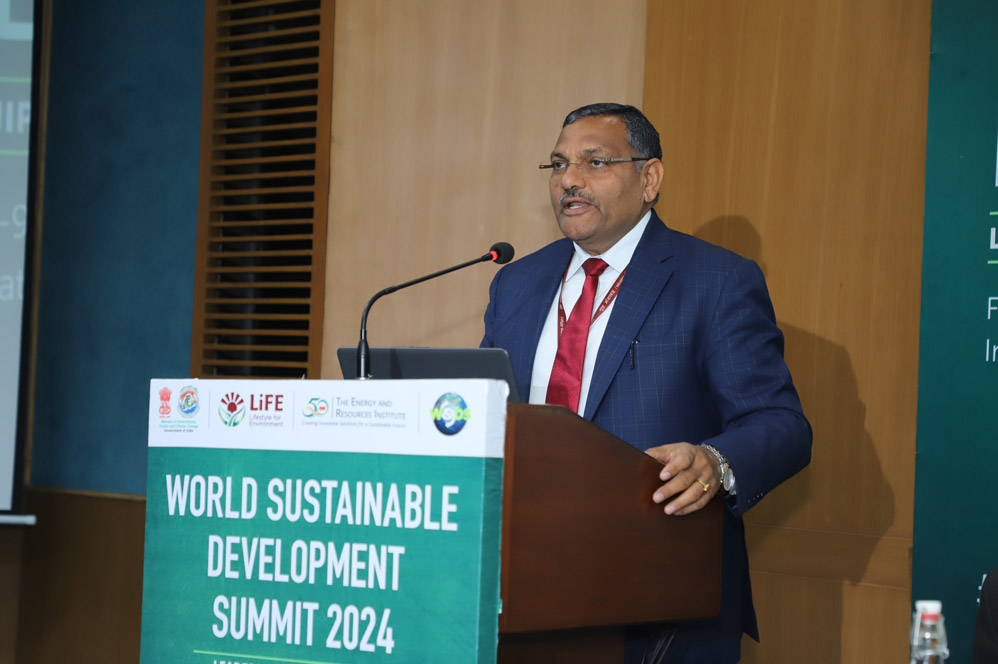
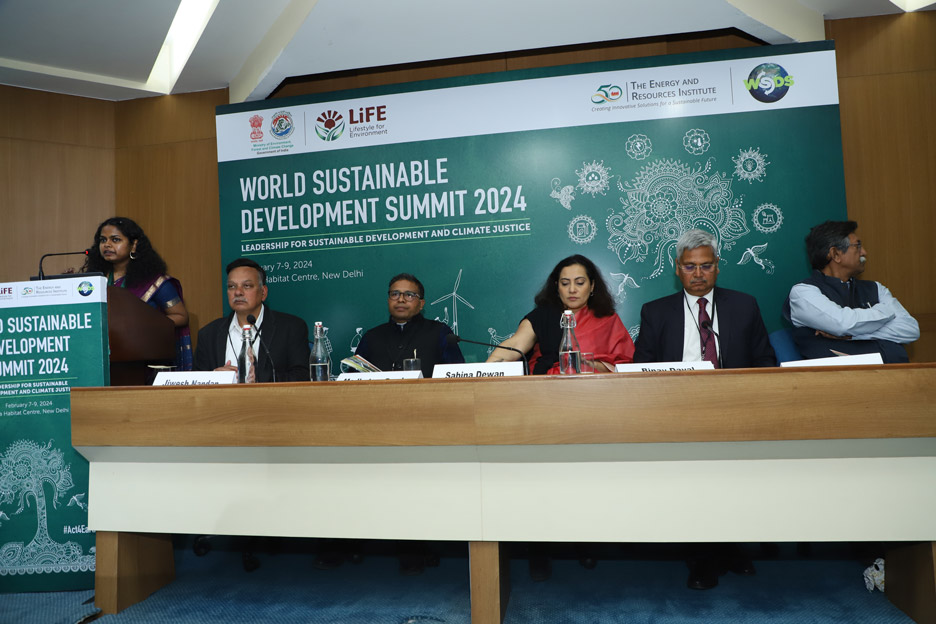
The 23rd edition of the World Sustainable Development Summit (WSDS) in New Delhi focused on ‘Leadership for Sustainable Development and Climate Justice’. The Electricity and Renewables Division organized a thematic session on the ‘Just Transition Framework for a Sustainable Future in India’s Coal Mining Regions’ and the framework report was released by Mr. Amrit Lal Meena, Secretary of the Ministry of Coal, Government of India.
The framework has its theortical basis in the concept of procedural, distributive and restorative justice and combines it with actionable strategies for socio-economic and environmental resilience. It systematically charts stakeholders, delineates challenges, sets benchmarks for progress, and aligns with India’s goal for netzero emissions by 2070. Mr. Amrit Lal Meena also
Event Gallery
Just Transition: Future of Coal & Pathways to Low Carbon Footprint
0 Comments
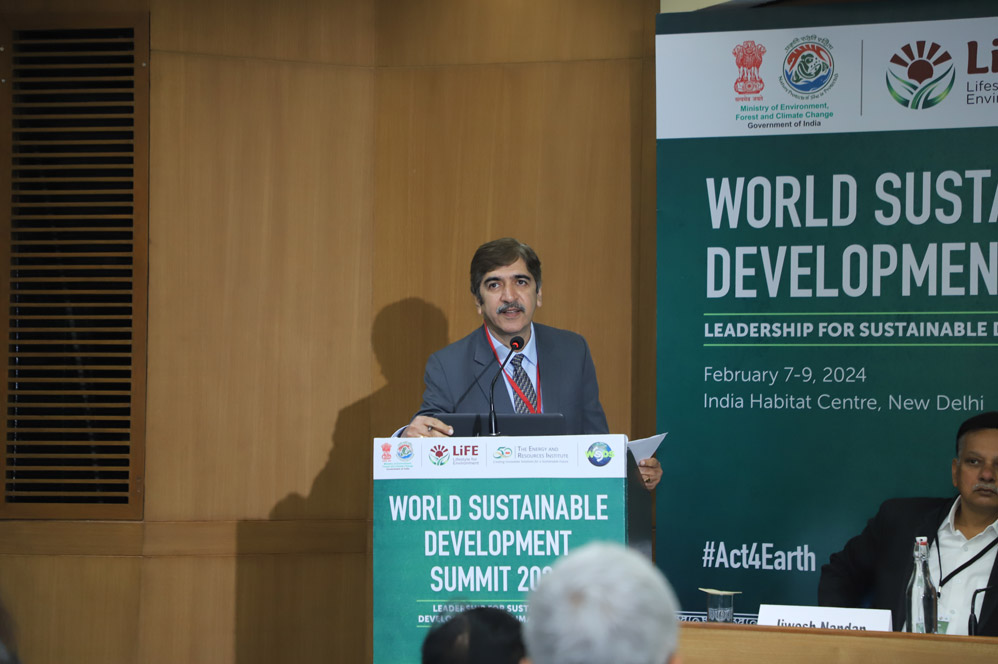
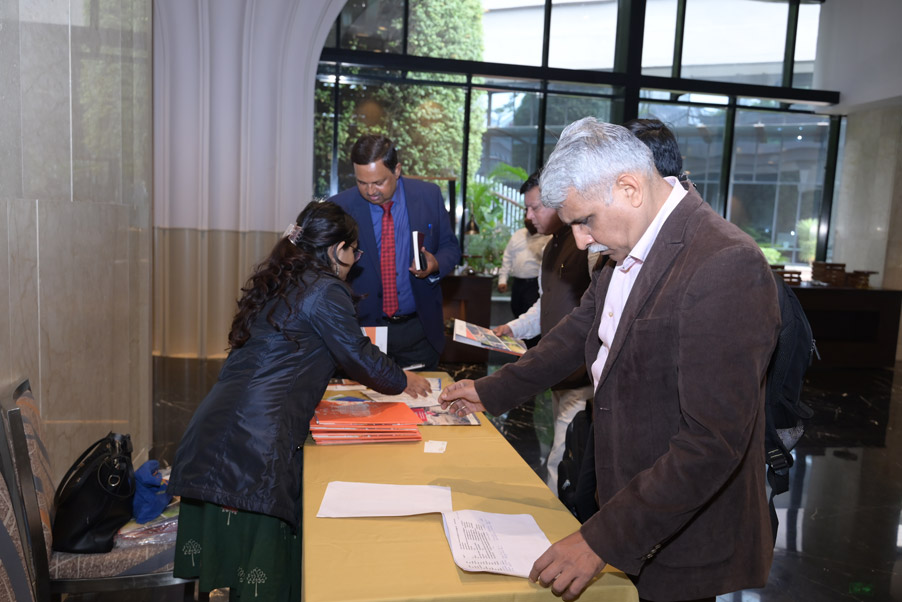
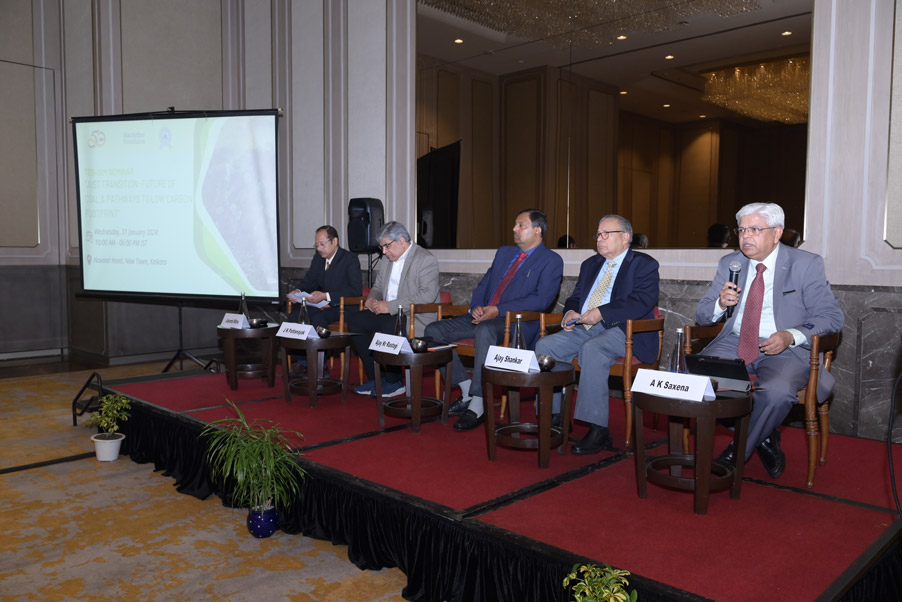
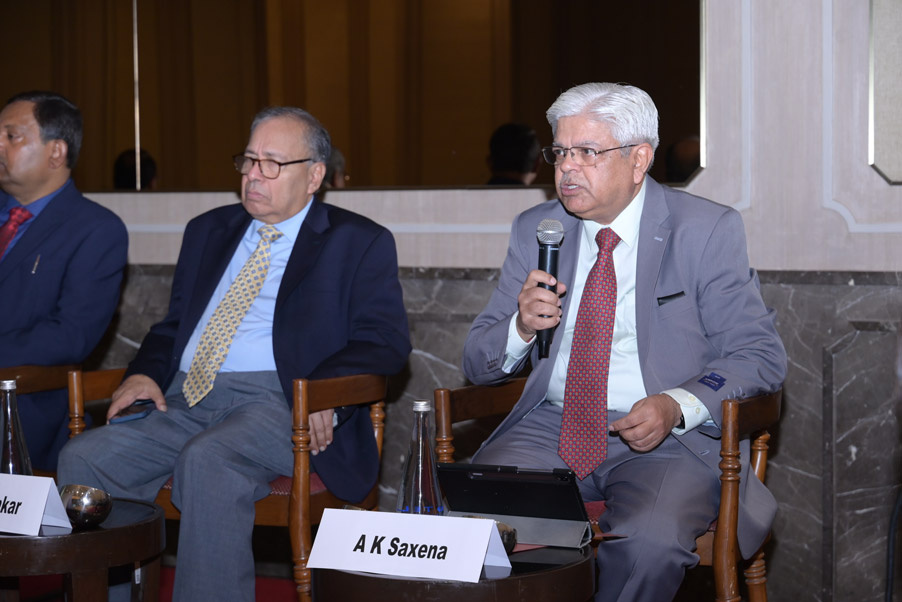
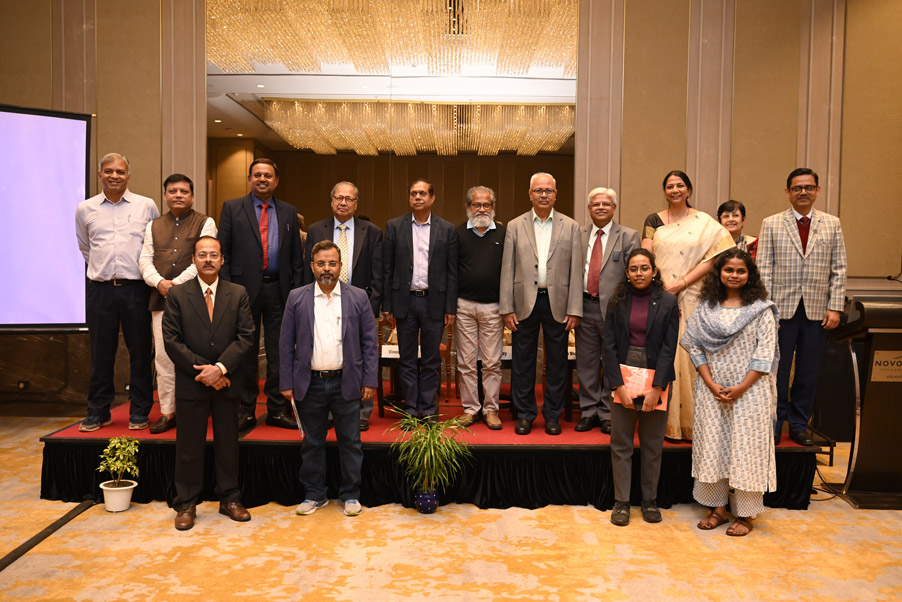
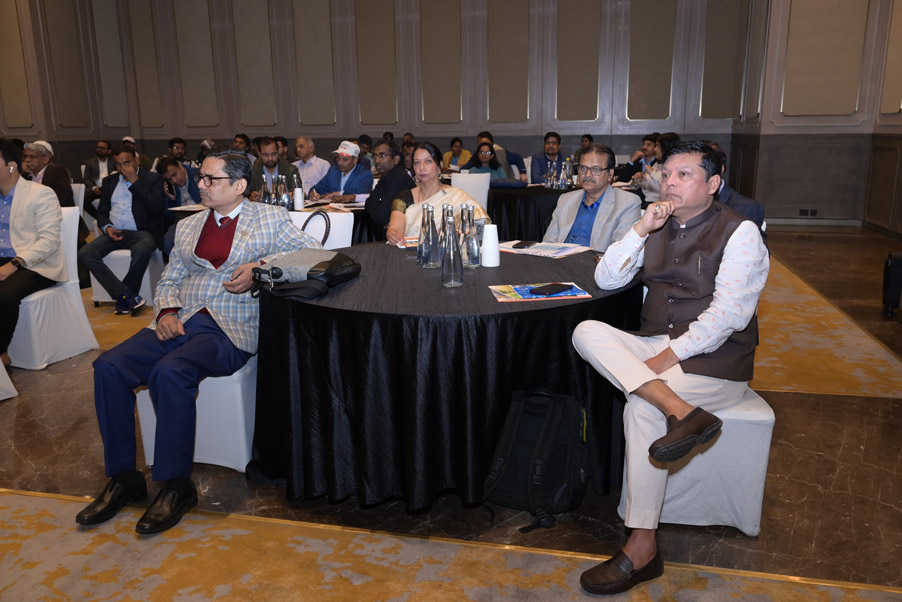
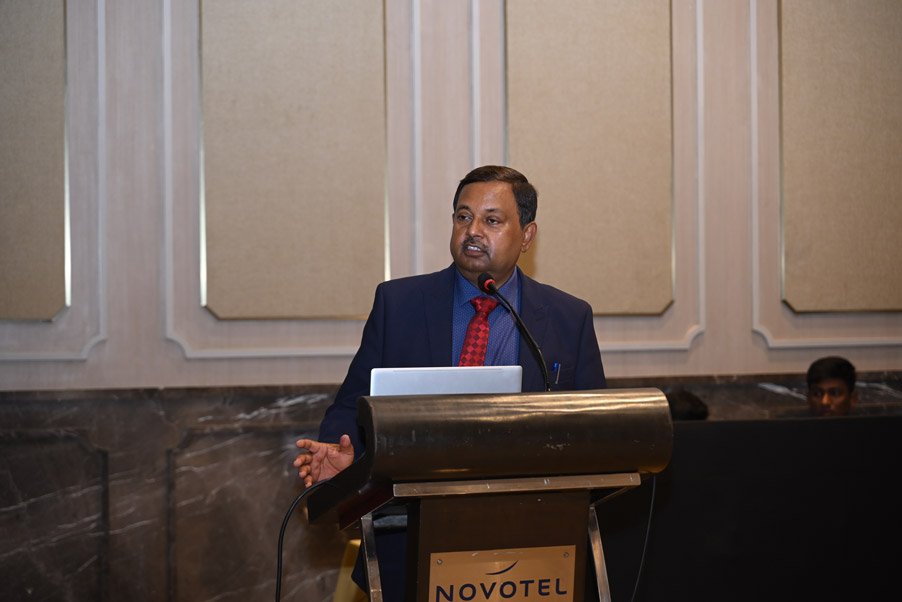
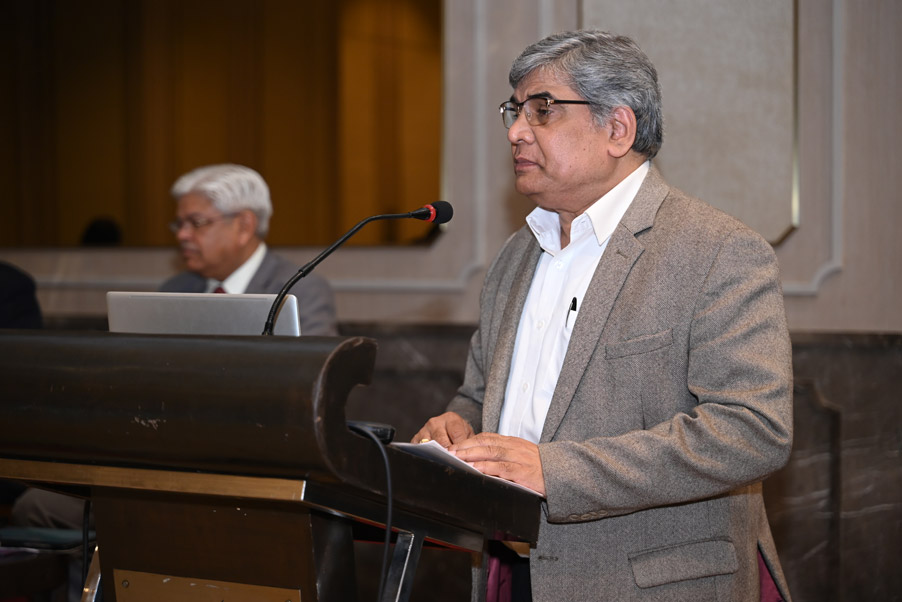
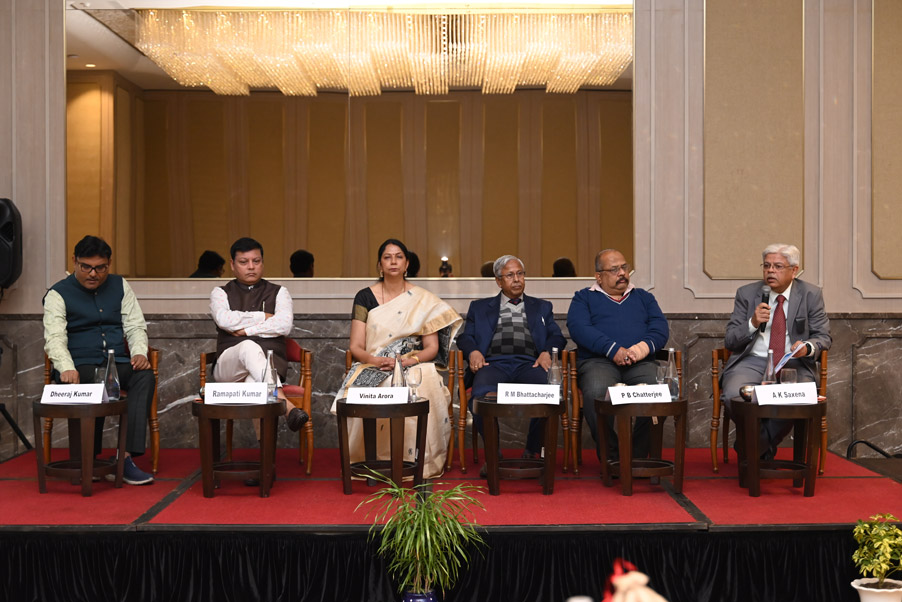
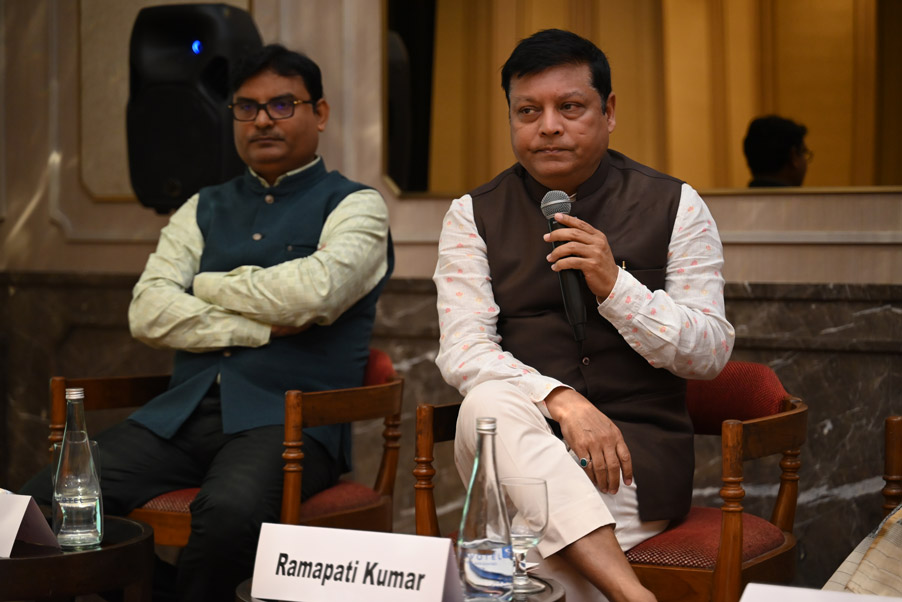
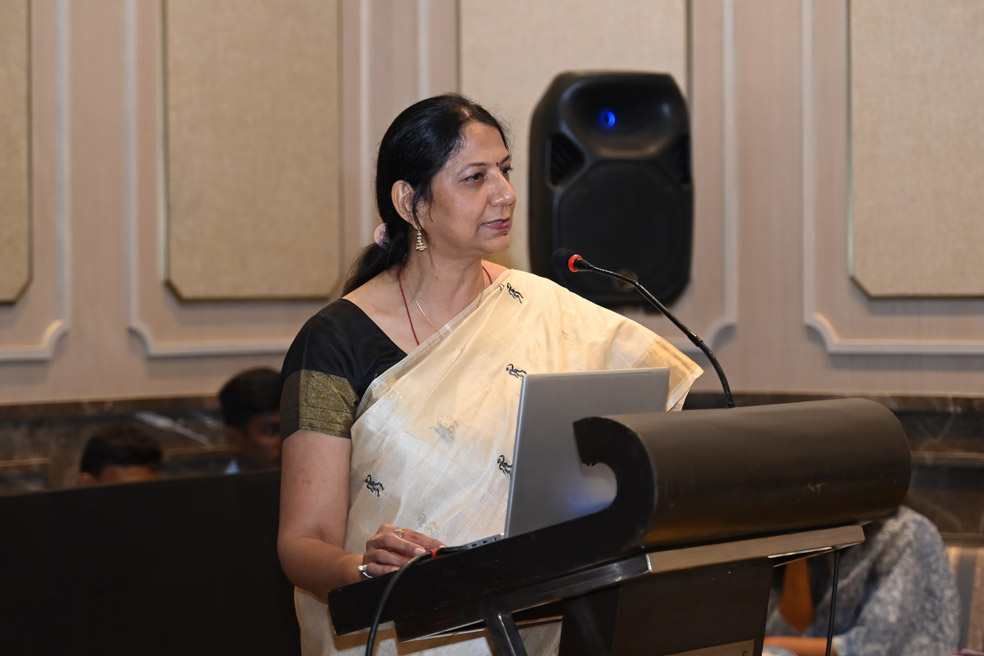
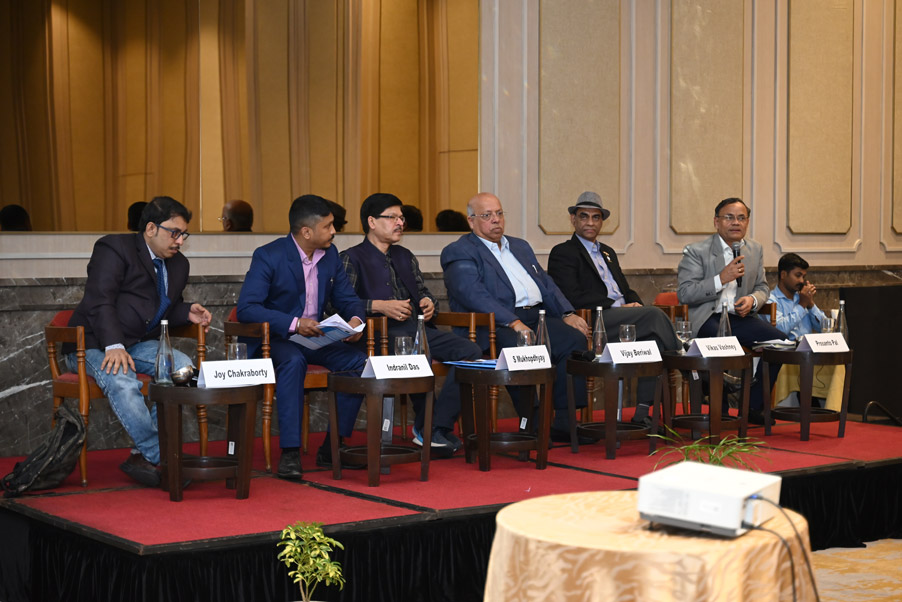
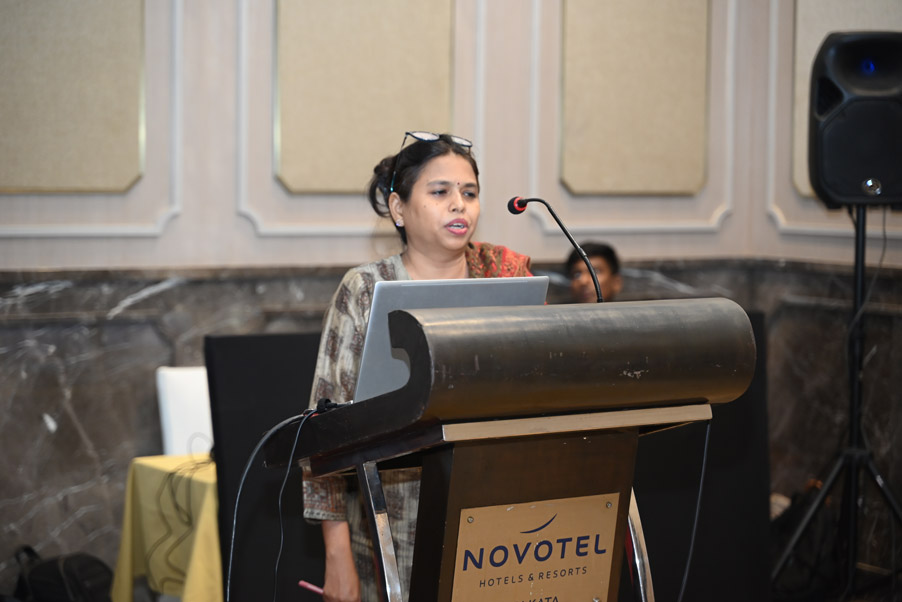
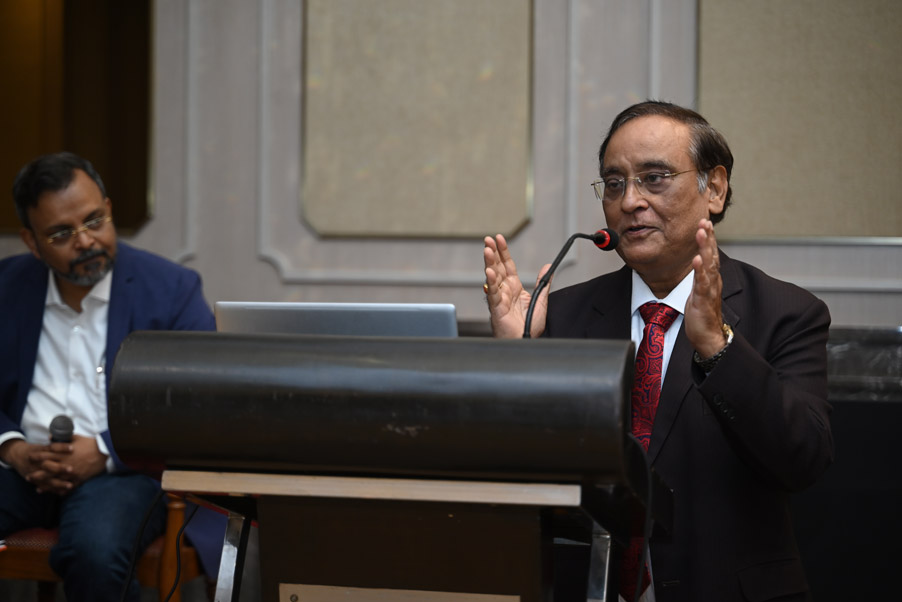
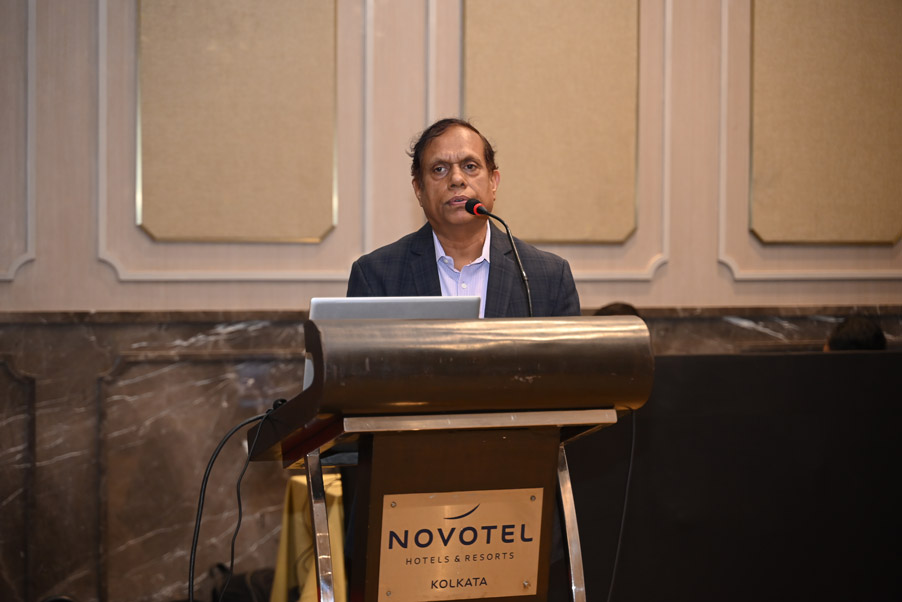
TERI, in partnership with the Indian Institute of Technology (Indian School of Mines), Dhanbad, hosted a seminal national seminar on “Just Transition: Future of Coal & Pathways to Low Carbon Footprint” in Kolkata on January 31, 2024. This pivotal seminar brought together leading figures from the energy sector, academia, and policymaking to discuss the pathways for India’s energy transition from coal to sustainable alternatives. It served as a dynamic forum for examining innovative solutions for the reutilization of coal mines, green support for coal-dependent MSMEs, and the development of a sustainable, equitable transition framework. The discussions were underpinned by the urgent need for a Just Transition, focusing on safeguarding community and worker welfare amid the move from coal, and included debates on policies for retraining, social protection, and fostering job growth in new, green industries. The seminar’s agenda was thoughtfully designed around thematic sessions on repurposing closed mines, enhancing economic competitiveness alongside environmental sustainability, and opportunities for reskilling in green jobs. A concluding plenary session dedicated to co-creating actionable strategies for a resilient, low-carbon future in the coal sector underscored The seminar had a structured agenda that included an introductory session, Thematic session I: Repurposing of closed mines and diversification of the local economy, Thematic session II: Balancing Economic Competitiveness and Environmental Sustainability: Green Transition for Coal Dependent MSMe’s, Thematic session III: Reskilling and Upskilling for Green Jobs – Opportunities as the Coal Sector Transitions to a Low-Carbon Economy and Plenary session: Charting a Sustainable Path: Co-Creating Action for a Low-Carbon, Resilient Future in the coal sector.
Event Gallery
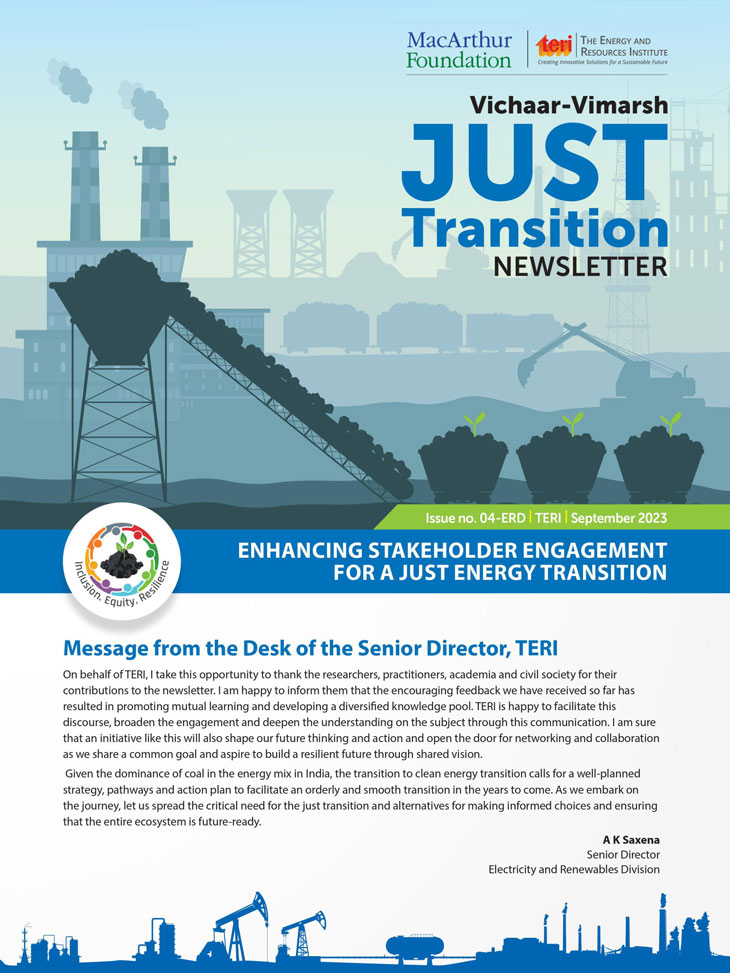
ENHANCING STAKEHOLDER ENGAGEMENT FOR A JUST ENERGY TRANSITION
0 Comments
On behalf of TERI, I take this opportunity to thank the researchers, practitioners, academia and civil society for their
contributions to the newsletter. I am happy to inform them that the encouraging feedback we have received so far has
resulted in promoting mutual learning and developing a diversified knowledge pool. TERI is happy to facilitate this
discourse, broaden the engagement and deepen the understanding on the subject through this communication. I am sure
that an initiative like this will also shape our future thinking and action and open the door for networking and collaboration
as we share a common goal and aspire to build a resilient future through shared vision.
Event Gallery
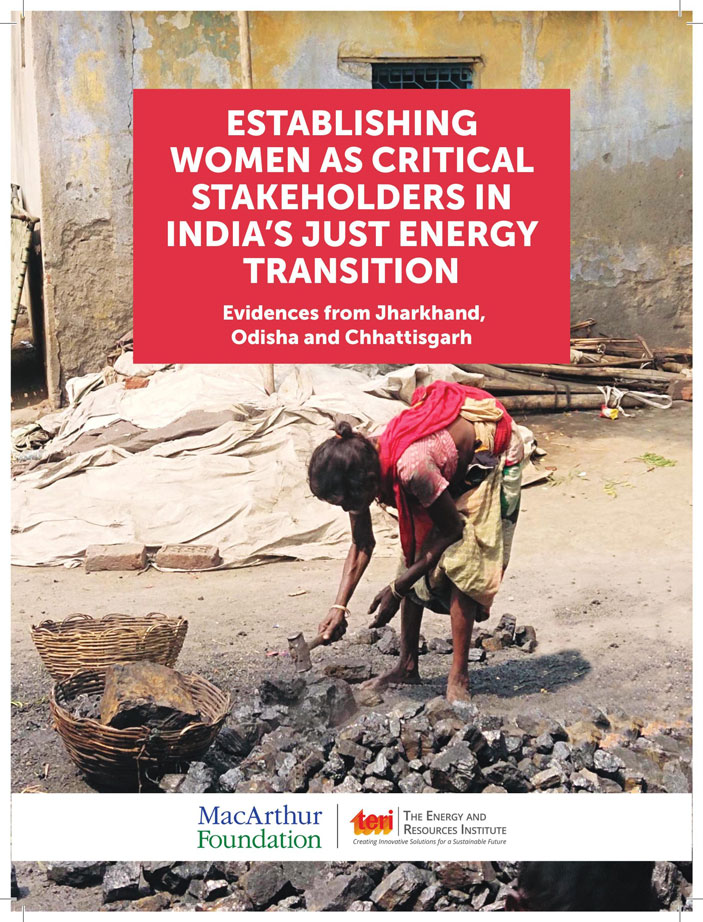
ESTABLISHING WOMEN AS CRITICAL STAKEHOLDERS IN INDIA’S JUST ENERGY TRANSITION Evidences from Jharkhand, Odisha and Chhattisgarh
Apoorva Singh, Arpita Victor, TERI Press
0 Comments
Coal continues to remain the mainstay of India’s energy portfolio mix. The climate change considerations and the increasing competitiveness of cleaner sources of energy are likely to increase the momentum of the transition towards non-fossil fuel-based sources. According to an estimate, this move would impact approximately 13 million people who are dependent on coal either directly or indirectly for a livelihood.
Women form only 6.7% of the coal workforce according to figures from Coal India Limited (CIL), but this number only includes women who have regular employment with the company. Approximately 70% of India’s coal workforce is estimated to be informal – casual or contract labour. This is where a large number of women are likely to be concentrated. It is important therefore to bring about a just transition incrementally towards non-fossil fuel-based options that is sensitive to the gendered impacts of decarbonization as “there is no climate justice without gender justice”.
In this backdrop, TERI has drafted a discussion paper titled ‘Establishing women as critical stakeholders in India’s just energy transition: Evidences from Odisha, Jharkhand and Chhattisgarh’ which is part of the larger project on Just Transition supported by MacArthur Foundation. This paper highlights the gender perspective of vulnerability present in the coal-producing geographies of India. Under-representation in the energy sector, the concentration of women in informal work, loss of agricultural and homestead land, unemployment-induced alcoholism and domestic violence, and lack of agency in decision-making at the institutional level, are some of the keys issues that exacerbate women’s vulnerabilities in the light of the transition to a net zero pathway, if left unaddressed.
Insights from in-depth fieldwork carried out in Odisha and Chhattisgarh have prompted us to frame recommendations for a gender-just energy transition. A specific focus on women and their issues misses the emphasis that it requires. Through this paper, we thus argue for the need to establish women as critical stakeholders in just transition dialogues and make future policies more gender-inclusive.
Event Gallery